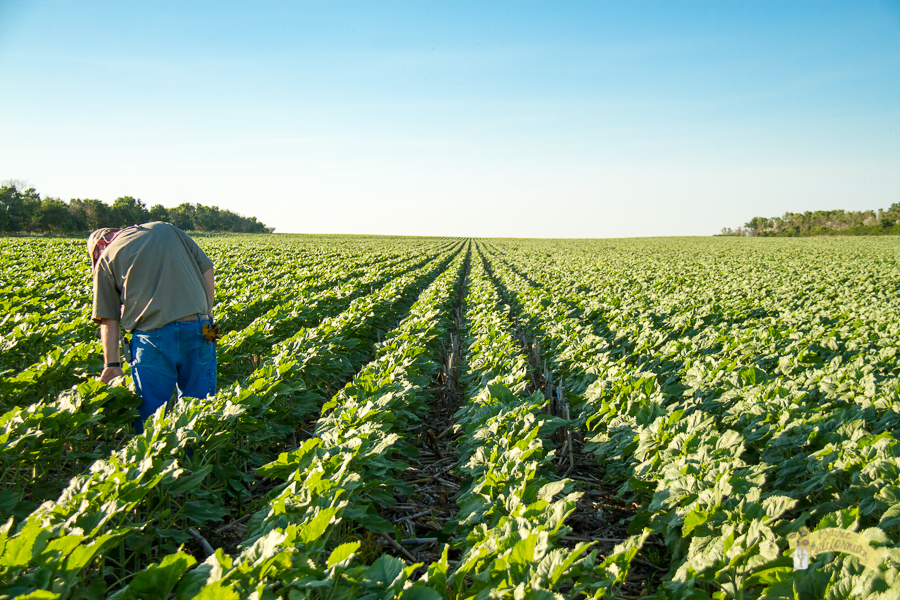
What exactly is an agronomist?
An agronomist is an expert who applies scientific knowledge and techniques for the management and creation of crops. Agronomists function in many different settings, from farms and ranches to govt organizations and private companies. They may additionally work in research laboratories or train at colleges and universities.
Most agronomists have at least a bachelor's diploma in agronomy or perhaps a similar area, for instance agricultural science or soil science. Numerous agronomists even have master's degrees or doctorates. The exact nature of an agronomist's position is determined by his / her specialty and employer.
Agronomists play an important role in making certain that crops are healthier and productive. They use their understanding of plant science to create means to enhance crop production, combat pests and diseases, and conserve water and also other resources.
The role of an agronomist
is to help the earth fulfill its expanding food generation requirements. In accordance with the U.S. Bureau of Labor Figures (BLS), employment for agronomists is anticipated to increase faster than average, with openings on account of advancement and replacement needs.
The work of an agronomist
is demanding and fulfilling, with agronomists normally being involved in research and education.
The training of an agronomist
Agronomists agronomists need to have not less than a bachelor's degree in agronomy or related field from an accredited university.
The future of agronomy
Agronomists help to make sure that the entire world's population has plenty of food items, they usually do the job to further click here improve crop yields and cut down agriculture's impact on the ecosystem. The BLS suggests that agronomists are in demand, but competition for jobs is likely to generally be strong.
Summary
Agronomists are focused on the analysis of vegetation, plus they get the job done in a number of fields, from agricultural analysis to raising crops. Agronomists are required to make sure that crops are produced for consumption, but they also help produce biofuels and other plant-based products and solutions.